
Imagine walking into a space where everything, from the storefront to the texture of the door handle, from the way light falls across the bar to the weight of the menu in your hands, tells the same story. Not because someone coordinated separate elements after the fact, but because one team imagined, designed, and brought it all to life as a single, deliberate vision.
This isn’t about aesthetics alone. It’s about creating spaces that feel inevitable, like they could only exist this way, for this brand, in this moment. Spaces that customers describe as “just right” without being able to articulate why. The kind of places people talk about, photograph, and return to, not because any single element is extraordinary, but because everything works together in a way that feels both intentional and effortless.
This is what becomes possible when branding and interior design are developed together from the start. For boutique hospitality, F&B, retail, and wellness businesses, your physical space isn’t just where experiences happen, it’s the most powerful expression of your brand. It’s where all your promises, positioning, and personality become tangible. And when brand strategy and spatial design inform each other from day one, something remarkable happens: you don’t just create an attractive space with polished branding. You create a destination.
The Opportunity of Integrated Branding and Interior Design
Most businesses approach branding and interior design as sequential projects: first develop the visual identity, then design the space to reflect it. And there’s nothing inherently flawed with this methodology, accomplished work happens this way all the time. But what if they could inform each other from the very beginning? What if the same discerning minds asking “who is your customer, and what should they feel?” were also asking “how should this space move, breathe, and function?” What if material choices and color psychology were being considered simultaneously? What if your floor plan was being shaped by your brand positioning from the very first sketch?
This is the opportunity that integrated branding and interior design unlocks.
From Two-Dimensional to Three-Dimensional Brand Experience
Your brand guidelines might be refined, your visual identity sophisticated, and your color palette carefully curated, but these are abstractions until they manifest in genuine space, with tangible materials, under authentic lighting conditions, at architectural scale. When branding and interior design happen together, you’re not translating a two-dimensional identity into three-dimensional space, you’re designing a complete brand experience from the start.
This means:
- Your brand colors become specific paint formulations, tile glazes, and fabric selections chosen for how they perform under your actual lighting conditions.
- Your visual identity extends beyond digital files, we design it from day one to work at every scale and on every material it will actually inhabit.
- Your brand personality moves beyond positioning statements and expresses itself through spatial sequences, material textures, acoustic qualities, and the way people naturally move through your environment.
When this integration happens effectively, several qualities emerge:
Coherence at every touchpoint. Your digital presence, printed collateral, storefront, lighting composition, furniture selection, material finishes, and wayfinding all feel like they belong to the same carefully considered world because they were designed with the same strategic foundation. This isn’t about uniformity, it’s about coherence. It’s about creating a consistent emotional experience that customers can discern even if they can’t articulate it.
Greater efficiency. The process itself becomes more efficient, with decisions happening with greater confidence and velocity because there’s no translation gap. Material selections, finish specifications, fixture designs, and signage strategies all emerge with complete context. You’re not hoping pieces will harmonize; you’re designing them to work in concert from the outset.
Enduring Design, Not Trend-Driven
Perhaps most significantly, spaces designed from authentic brand strategy rather than current design trends have longer lifespans. They don’t require refreshing every few years when aesthetics shift because they were never about being trendy; they were about being distinctly, genuinely yours. Your brand positioning might evolve, and your services might expand, but the foundational design language has room to grow with you because it’s rooted in strategy, not style.
Beyond Good: Creating the Memorable
And here’s the truth about today’s market: “good” isn’t distinctive. Good is commonplace. Good gets overlooked. In boutique hospitality, F&B, retail, and wellness, you’re not just competing on service or offering, you’re competing on experience. The experiences people remember and recommend aren’t the ones that are merely pleasant. They’re the ones that feel distinctive, coherent, and authentic. When every detail tells the same story, when there’s no dissonance between what your branding promises and what your space delivers, that’s when “good” becomes “memorable.” That’s when customers become advocates.
Our Approach to Material and Spatial Expression
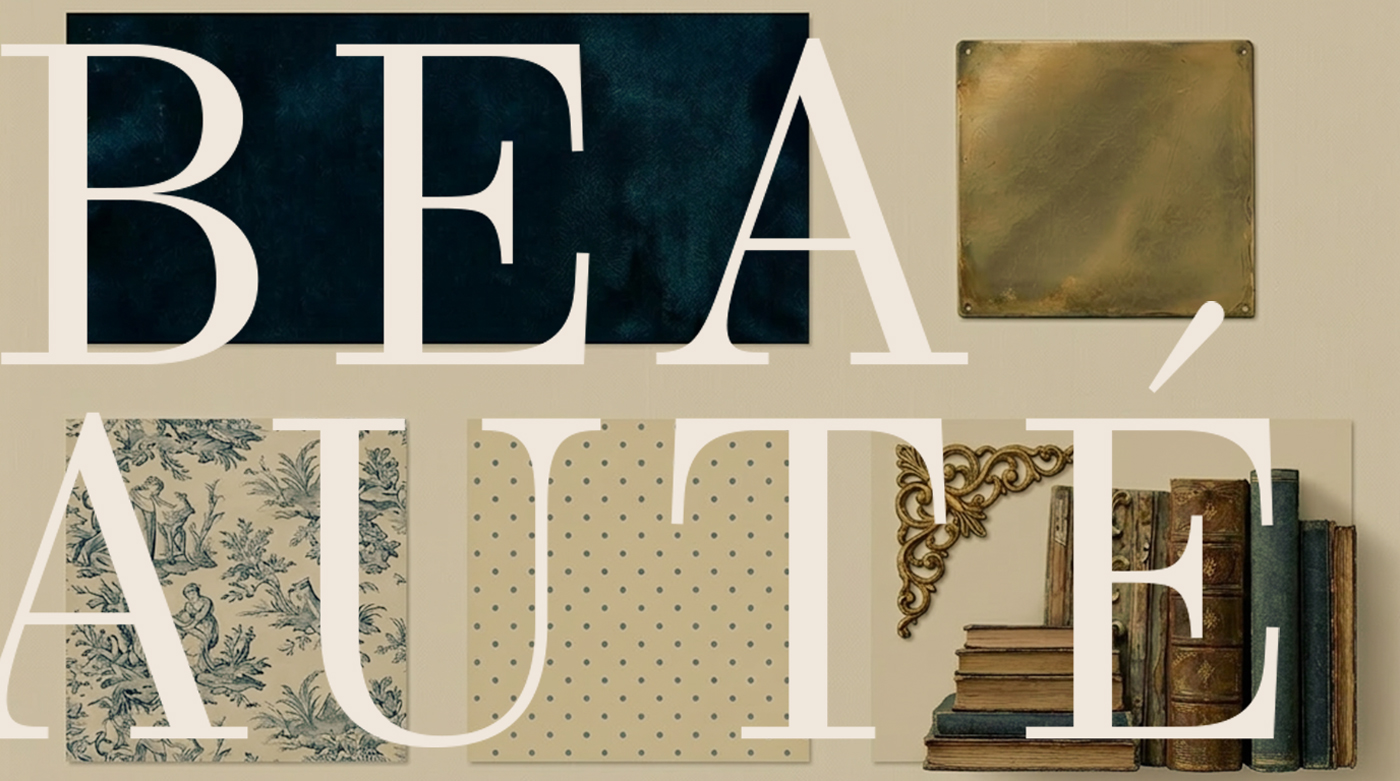
Here’s something we consider constantly: materials communicate as powerfully as typography or color palettes. They tell customers whether you’re approachable or exclusive, contemporary or heritage-focused, energizing or grounding. When the same team thinks about your brand positioning and material palette simultaneously, materials become active participants in your brand narrative. They’re not decorative choices applied after strategy is established; they’re strategic choices that perform emotional work.
Consider how we think about materials as brand expression:
- If your brand positioning is “accessible luxury,” that’s not merely a descriptor; it manifests as deliberate material choices. Perhaps warm oak (accessible, familiar, inviting) with brass inlays (luxury, unexpected refinement). Or linen upholstery (accessible, casual, forgiving) on architecturally proportioned frames (luxury, cultivated craftsmanship).
- For a wellness studio positioned as “community-focused and grounding,” materials become instruments for reinforcing that promise. Cork flooring isn’t just sustainable; it’s literally softer underfoot, making the space more accessible. Textured plaster walls aren’t merely aesthetic; they absorb sound, creating acoustic intimacy that makes conversation feel personal. Curved millwork isn’t just friendly, it eliminates hard edges and orchestrates natural movement through the space.
Spatial Planning as Brand Strategy
Your floor plan, too, is one of your most powerful brand statements. For hospitality clients, we’re not simply asking “how many covers can we accommodate?” We’re probing deeper: What behavior does this brand want to encourage? Lingering or efficient turnover? Solo contemplation or group energy? Being observed or finding refuge? These questions shape everything from ceiling heights to furniture configurations to lighting layers, and they all stem from brand positioning. These aren’t interior design questions. They’re brand strategy questions that have spatial answers.
The spatial composition, sightlines, circulation patterns, acoustic zoning, material transitions, all reinforces the brand promise. This is where positioning becomes tangible, where strategy manifests as substance. When we design for hospitality clients, the entire environment becomes an expression of brand values. The way light moves through the space throughout the day, the acoustic character that shifts from energetic to intimate across different zones, and the material transitions that guide people naturally from public to private moments, these are all brand decisions with spatial manifestations.
The Process of Integrated Branding and Interior Design
If you’re considering this approach for your project, our methodology unfolds across four integrated phases.
Phase 1: Unified Discovery We begin with an intensive process where brand strategy and spatial design are explored together. We ask questions simultaneously across both disciplines:
- Who is your customer and what do you want them to feel?
- What behaviors do you want to encourage in the space?
- What’s your competitive positioning and how should it manifest spatially?
- What constraints and opportunities does your physical location present?
- What are the regulatory requirements and permitting timelines?
This is where we establish the foundation, because often, the answers to brand questions inform spatial solutions, and spatial realities shape brand expression in ways you can’t predict when working separately.
Phase 2: Concept Development Brand positioning and spatial concept develop together in one integrated feedback loop:
- Your competitive positioning suggests specific material strategies.
- Your spatial constraints influence how your brand should express itself.
- Color psychology informs both brand palette and interior finishes simultaneously.
- Customer journey mapping shapes both brand touchpoints and spatial flow.
The result is one concept expressed through multiple dimensions, visual identity, spatial composition, material language, and customer experience.
Phase 3: Disciplined Execution This is where the integration delivers tangible value:
- We specify brand colors as paint colors, tile selections, and upholstery fabrics from the start.
- We design visual identity to work at an architectural scale on actual materials.
- We integrate signage and wayfinding into the spatial design, not apply it afterward.
- We vet every finish, fixture, and furnishing against brand guidelines.
- Construction documentation and permit applications reflect the complete vision with regulatory requirements already integrated.
Because we design everything with complete context, the process is more efficient, fewer revisions, fewer disconnects to resolve, and greater confidence throughout.
Phase 4: Evolution & Growth Your space will evolve. Menus shift, seasonal programming happens, and new services emerge. When branding and interior design are orchestrated with the same strategic foundation, these evolutions feel natural, new elements that extend the existing design language rather than contradict it. We’re not simply delivering brand guidelines and construction documents. We’re providing a framework for how your brand should grow across both digital and physical touchpoints as your business evolves.
Is Integrated Branding and Interior Design Right for Your Project?
This methodology isn’t for every project, but it makes particular sense in several scenarios:
You’re starting from scratch. If you’re launching a new restaurant, retail store, wellness studio, or hospitality venture, you’re creating branding and interior design simultaneously anyway. An integrated approach simply ensures they’re designed as one narrative from the beginning.
You’re rebranding and renovating. You have a rare opportunity to reimagine everything in concert. Your existing clientele needs to feel like this is an evolution, and that level of coherence requires integrated thinking.
You’re in boutique hospitality, F&B, retail, or wellness. The approach is particularly valuable for these sectors, where experience is everything. Your space isn’t just where you conduct business, it is a core part of your offering. Brand-space alignment isn’t optional; it’s essential to differentiation.
You want to create a destination, not just a location. If your goal is to create the kind of place people talk about, photograph, and recommend because the entire experience feels distinctive, integrated design gives you the coherence that makes spaces truly memorable.
You value efficiency and want certainty before construction begins. This approach eliminates the common scenario of troubleshooting misalignments during construction.
What to Look for in an Integrated Design Studio
When evaluating studios for this kind of work, several qualities indicate genuine integration. Look for studios that think strategy-first, aesthetics-second, the most accomplished integrated work starts with positioning, customer journey, and brand narrative, then lets those inform aesthetic decisions across both visual identity and spatial design. Examine portfolios carefully to ensure they have deep expertise in both disciplines. Do they design complete brand systems, strategy, identity, guidelines, collateral, and spatial design, including space planning, construction documentation, and FF&E?
Pay attention to how they discuss materials. Studios that genuinely integrate branding and interior design don’t just coordinate colors, they understand how textures, finishes, spatial sequences, and acoustic qualities communicate brand values. Look for case studies where you can observe both the visual identity and the built environment and see how they reinforce each other. Do they feel like they belong to the same carefully orchestrated world?
Signs of True Integration
When branding and interior design are genuinely orchestrated together, certain characteristics become evident. You’ll observe parallel development, with brand strategy and spatial design evolving simultaneously from discovery through execution, informing each other throughout the process. The team works in active dialogue, not as separate departments that coordinate at milestones. We discuss materials as strategic choices from the start, not decorative decisions applied after we establish strategy. Conversations about how visual identity will perform on various materials, under different lighting, and at architectural scale happen during concept development. We develop material palettes, spatial planning, signage strategies, and brand touchpoints with full understanding of how they’ll work together.
What You Can Expect
Let’s be pragmatic about what this approach delivers:
- Distinctive, memorable experiences. Spaces that feel inevitable and authentic, not assembled from trend-driven elements.
- More efficient timelines. Brand strategy and spatial design inform each other from day one, with fewer revision cycles.
- Better investment allocation. You invest resources in creating distinction rather than resolving disconnects.
- Confidence before construction. You know what you’re building because brand strategy and spatial concept have developed together with complete context.
- Enduring relevance. Spaces rooted in authentic brand strategy age gracefully and evolve naturally, requiring less frequent updating than trend-driven design.
- Stronger word-of-mouth. Coherent, distinctive experiences are what customers remember, discuss, and return to. They become the stories people tell, the places they photograph, and the recommendations they make without being asked.
This isn’t about having the largest budget or following the latest aesthetic trends. The businesses that become destinations are the ones where everything feels intentional, authentic, and distinctly theirs. Where there’s no gap, however subtle, between what the branding promises and what the space delivers. Where every material choice reinforces positioning, every spatial decision supports the brand promise, and every detail feels like it belongs to the same deliberately considered world.
Your branding and your interior design are two expressions of the same narrative: two ways of communicating who you are, what you value, and what you want your customers to feel. The question is: will they tell the same story, or will there be a gap subtle perhaps, but discernible between what your branding promises and what your space delivers?
When branding and interior design are orchestrated together from the beginning, that gap disappears. This is what we mean when we say branding and interior design work better together. They should emerge from the same strategic foundation, designed in parallel, informing each other, and creating something that feels not just coherent but inevitable.
Ready to Explore Integrated Design for Your Project?
Whether you’re launching something new or reimagining something existing, we are curious to understand your vision and explore how branding and interior design could tell your story.
Tardigrada Design Studio is a Vancouver-based studio specializing in branding and interior design across boutique hospitality, F&B, retail, and wellness. We design commercial spaces and brands that shape how people experience and remember your brand because every detail should tell the same story. 